Understanding dota 2 ranks
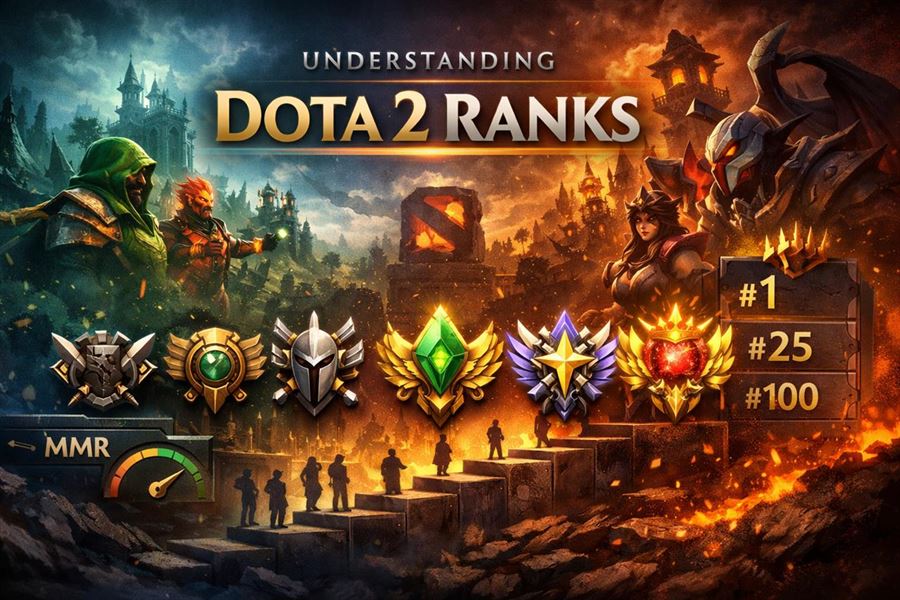
Dota 2 is a competitive multiplayer online battle arena (MOBA) game developed and published by Valve Corporation. Its ranking system plays a crucial role in matchmaking and player progression, offering gamers a way to gauge their skill level. Whether you're new to the game or a seasoned veteran, understanding the ranking system is essential to improving and enjoying the game.
For a complete breakdown of the current ranks and what they mean, you can visit the official Dota 2 Ranks guide.
Overview of the Dota 2 Ranking System
Dota 2 ranks are part of the game’s matchmaking rating (MMR) system, which determines how players are placed in matches with others of similar skill levels. Ranks are divided into different tiers and medals, which are further separated into numerical divisions. This hierarchy helps establish fair matches and motivates players to improve.
Rank Medals and Divisions
The ranked ladder in Dota 2 consists of the following seven primary medals:
- Herald
- Guardian
- Crusader
- Archon
- Legend
- Ancient
- Divine
Each of these medals, except for Immortal, contains five numerical divisions, with Division 1 being the lowest and Division 5 the highest within that medal. Beyond Divine 5 is the ultimate rank: Immortal.
Immortal Rank
The Immortal rank stands apart from other medals. Players in this tier are at the top of the competitive scene. Unlike the other medals, Immortal does not use numerical divisions. Instead, Immortal players are given a leaderboard rank based on their MMR. This leaderboard is regional and changes dynamically depending on the players' match outcomes.
How MMR Works
MMR, or matchmaking rating, is the numerical value used to determine player skill level in ranked games. MMR increases with wins and decreases with losses. Dota 2 uses separate MMR ratings for solo and party queues, ensuring balance in different matchmaking environments.
Calibration and Seasonal Resets
When players first enter ranked matchmaking, they must go through a calibration phase. This typically involves playing a set of matches to determine their initial MMR. Periodically, Valve resets ranked matchmaking with seasonal updates, requiring players to recalibrate. This helps keep rankings relevant and encourages engagement at all levels of play.
Role Queue and Medal Assignment
Dota 2 also features a role-based matchmaking system in ranked games called Role Queue. Players select preferred roles, such as carry, mid, offlane, and support. Role-based medals now reflect proficiency within those specific roles, giving a more accurate depiction of a player’s strengths.
Performance-Based Progression
While wins and losses heavily influence MMR, individual performance during matches is increasingly being considered by the matchmaking algorithm. This means that playing well, even in a loss, may have a smaller effect on your rank than in the past.
Improving Your Rank
Climbing the ranked ladder in Dota 2 requires understanding heroes, mastering game mechanics, and learning strategy. Communication and teamwork are also critical. To improve your rank, consider watching professional matches, reviewing your own replays, and playing with a positive attitude. Avoid toxic behavior and strive to learn after each match.
Utilizing Community Resources
There are many community resources that can help you understand the game and get better. Websites, guides, and streams can provide insights into hero builds, updates, and competitive strategies.
Conclusion
The Dota 2 ranking system is a core part of the game's competitive structure. From Herald to Immortal, each rank tier offers unique challenges and opportunities for growth. Understanding how MMR, medals, and roles work allows players to set goals and measure their progress. Whether you aim to climb to higher tiers or simply understand the system better, staying informed is key to success in the world of Dota 2.